Low Frequency checking
All things related to mostly 240V 50Hz / 120V 60Hz household appliances and wiring

Checking the household wiring and the quality of the appliances in terms of EMF is a first step inside the house or office.
The main goal is to find the worst offenders and come up with practical solutions to avoid the impact on health of these situations.
So where does it start?
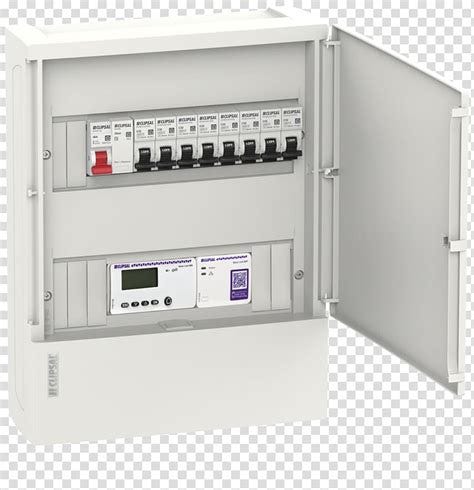
Check the main switchboard and the location of the electricity meter.
See if the electricity meter is positioned behind or before a user operable main breaker. Ideally the meter should be placed behind the main breaker, implying that the client is capable of switching off all electricity in the house, including the (SMART?) meter. It is becoming more and more common to place the meter outside the premises in which case they cannot be switched off easily by the client.
Check the location of sub boards; pay attention to the presence of earth wires. (Green and Yellow in Europe). How close are the boards to bedrooms or office space both horizontally and vertically.
Check if there are photovoltaic systems installed and if so, note down the brand and type of Inverter for later reference and investigation. Note down the location of the panels relative to bedrooms.
Check who or how earth is supplied to the house. When there is just an earth pin outside in an urban environment, the earth connection can be polluted with harmonics and stray currents from neighbouring sites.
Check if the central heating or gas pipes are used as (extra) earth.
From here the more regular check up starts.
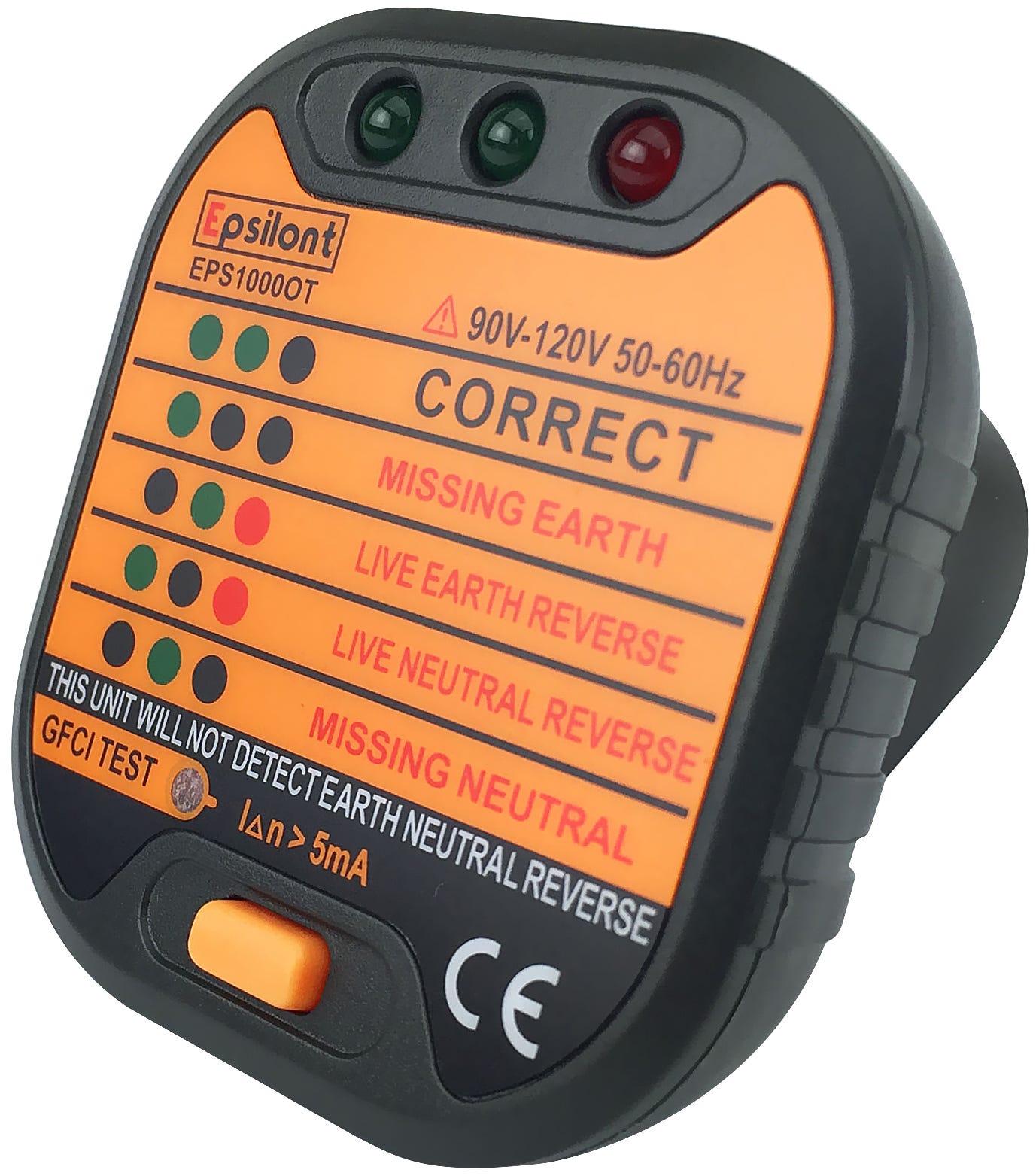
Check the outlets in bedrooms, offices and meditation / healing spaces for proper connected and functioning earth connection. Use a simple tool, available on eBay etc. or use a proper multi-meter.
Note down all the outlets without earth and whichever extension cords are connected to it. Pay special attention to outlets and extensions close to or behind the beds and those powering office equipment, routers, printers and computers mainly.
Switch off the main breaker and check the bedrooms and offices for residual electrical or magnetic fields. Magnetic fields are directional; turning and twisting the meter will provide insights into the real values. Use a dedicated Electrical and Magnetic meter. The modern day combination meters don’t always allow for accurate measurements.
Having noted down the base line in regards to electrical and magnetic pollution, now switch on the main breaker, unplug any and all from outlets without earth and measure again, taking notes of the values measured per room / space. Focus should be on the beds, mainly the head space and office desks.
Take note of any lamps or equipment near the bed and measure with these lamps or devices plugged in and on, plugged in and off and unplugged. This step normally makes the client aware of the huge impact that cute bed-lamp or that innocent alarm has on their level of electrical or magnetic field whilst sleeping.
Check for not so common polluters like water beds, beds with motors to lift certain parts, electrical blankets and the likes.
Check for chargers and transformers on or near bed stands.
Check of electrical heaters or air-co equipment close to the bed.
This was the main investigation regarding the bedrooms, which is the most impactful part of the consultation if the client can adapt to the suggested changes. Sometimes it means switching off certain breakers at night to avoid high voltage on bedroom walls and even beds. If this is the case clients will need some flexibility to include this in their night routine. There are a certain type of breakers available which automatically switch off the current to a circuit when no power is needed and come back up by themselves when a switch is flipped. In my experience this is a system that very, very few clients are adopting.
Office space, a story in and of itself.
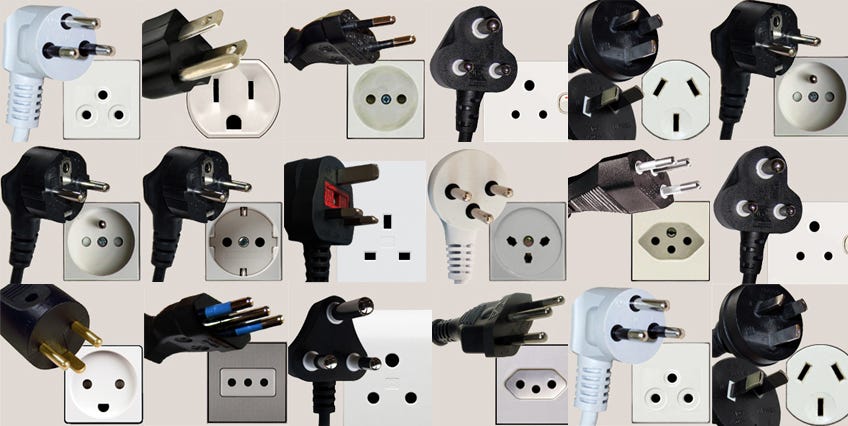
In any normal office or office corner in a living room or bedroom many hazards lurk in unexpected corners. When referred to “earth plugs” 3 prong plugs are meant; those that have a power, a neutral and an earth prong. Common in the UK, not that common in the rest of the world.
Most common things to check and explore in office-like environments:
Determine which equipment (and possibly outlets) do not have an earth plug. Printers, laptops and routers /switches can be found both with earth plugs and without. Desktops most likely have earth plugs.
Unplug everything that sits on the desk or on physically connected tables, shelves etc. Measure the electrical and magnetic fields. Both should be well below “health concern¨ level. If the levels are relatively high, check for the equipment or wiring causing this specific problem. Sometimes the Ethernet cable carries a fairly high voltage. Remove when possible and check the effect.
If possible, run an extra temporary earth wire from all equipment without company supplied earth and measure the values on the desk again. Routers are notorious for creating electrical fields over a distance due to connected Ethernet Cables. Sometimes an earth wired computer will compensate for the lack of earth on the router, but this is not all too common.
You may want to disconnect any historical mistakes like DECT phones at this moment already, just for your own comfort and safety.
Investigate already which equipment is hard wired and which uses WIFI or Bluetooth. Check the Ethernet cables for electrical values; sometimes the source of that voltage is located in another room or even outside the apartment. Not having measured it individually may impair other measurements and give false readings.
Check for electrical heaters (small ones on the floor) and where the desktop (if any) is located. Desktops on average are not a big source of concern, but very close to the legs it might have more impact than expected. Best to measure and register carefully.
Kitchen and bathrooms.
On average, kitchens and more so even bathrooms will not take up much of time in the investigation; bedrooms are top priority and offices are already of a lesser concern due to the difference in activity versus passivity in both spaces. Kitchen and bathrooms give the least concern since most people spend less time in a fixed place there than in the other mentioned rooms.
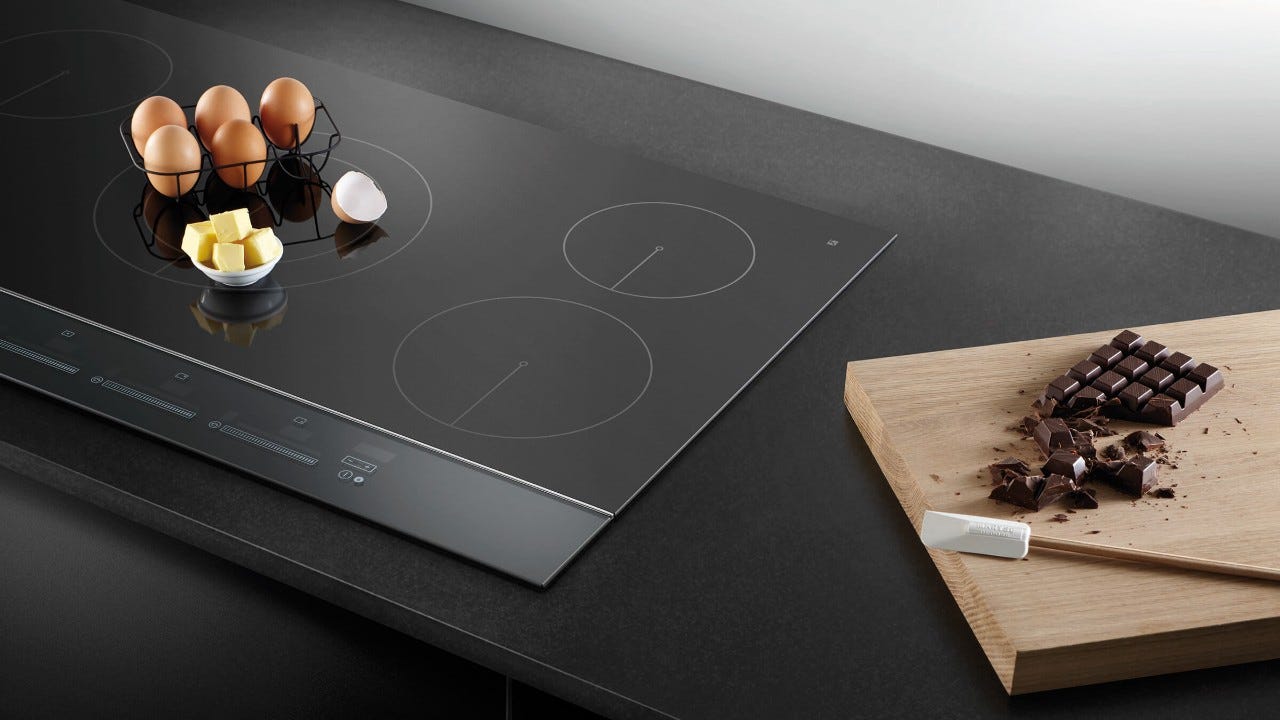
Having said that, very sensitive people should be weary of anything electrical in the kitchen; Microwave ovens should be used sparingly and time spend close to it minimised during operation. Electrical ovens by their very nature are less of an issue, mainly because their very functioning requires a decent level of design and a good earth connection, thus avoiding ( in most cases) excessive electrical fields emanating from these devices. Induction and all other types of electrical cooking plates will by nature of their function produce massive magnetic fields and huge electrical fields. If not, they would not work as expected. Kitchen outlets should be checked for proper earth as well; mistakes happen and cutting corners can have health implications.
So for a kitchen with induction plates, it would be advisable that highly sensitive people don’t stir the pot too much. Gas stoves would be a better option, though not always feasible nowadays.